If you’ve had a panic attack, you know how abruptly it can take over your body and your thoughts. It can feel intense, disorienting, and frightening, even when there’s no clear external threat.
Panic attacks are not a sign that something is wrong with you, and they are very responsive to treatment. With the right support, it’s possible to understand what’s happening in your nervous system, learn ways to calm it, and feel more at ease in your daily life.
At Love This Therapy, we support people every day who are dealing with panic attacks and panic disorder. In this blog we will explain what panic attacks are, why they happen, how to recognize the symptoms, how they differ from panic disorder, and how counselling can help.
What Is a Panic Attack?
A panic attack is a sudden surge of intense fear or discomfort that reaches a peak within minutes (American Psychiatric Association, 2022). During this time, your body activates its internal alarm system—the fight—flight-or freeze response—even when there’s no immediate danger. It’s like a smoke detector that goes off for burnt toast, while your body responds as if there’s a serious fire.
Panic attacks often come with strong physical sensations that can feel dangerously real. That’s part of what makes them so overwhelming: your body reacts as if you’re in danger, even when you aren’t.
Panic attacks can occur as part of panic disorder, but they can also show up in the context of anxiety, trauma, stress, substance use, or seemingly out of nowhere.
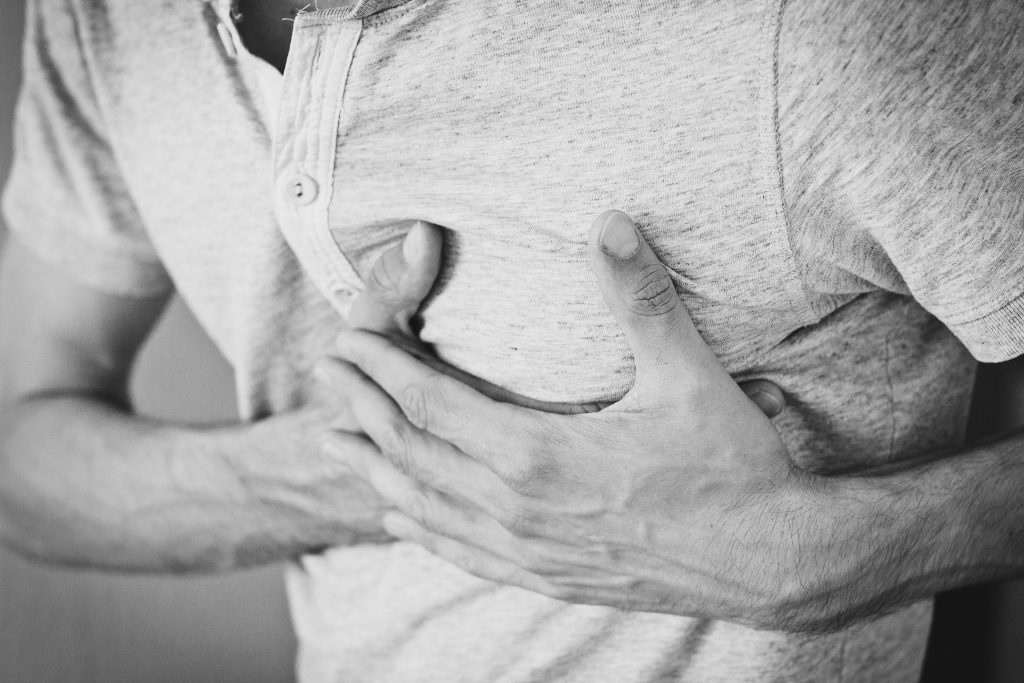
Signs and Symptoms
Panic attacks can vary from person to person, but common symptoms include:
- Racing or pounding heart
- Shortness of breath or feeling like you can’t get enough air
- Chest tightness or pain
- Sweating, trembling, or shaking
- Nausea, vomiting or stomach discomfort
- Dizziness or light-headedness
- Feeling detached or unreal (derealization or depersonalization)
- Numbness or tingling
- Hot or cold flashes
- Fear of losing control
- Fear of dying
These symptoms are rooted in the body’s autonomic nervous system, particularly an overactivation of the sympathetic (“fight or flight”) branch (Barlow, 2004; Craske & Stein, 2016). In other words: your brain hits the emergency button, your body reacts accordingly, and suddenly your Tuesday afternoon feels like a survival movie.
Why Do Panic Attacks Happen?
There’s no single cause of panic attacks. Instead, they tend to arise from a combination of factors. Some biological, some psychological, some situational.
1. Your Body’s Alarm System Is a Little… Overenthusiastic
Some people have a more sensitive “fear circuitry,” particularly in the amygdala, the part of the brain involved in responding to danger (Gorman et al., 2000). When that system is easily triggered, panic attacks can happen even when the danger is internal rather than external; like a normal change in heart rate.
2. Genetics
Panic disorder is more common in individuals with a family history of anxiety or panic (Hettema et al., 2001). Thank you, ancestors.
3. Chronic Stress
Long-term stress primes the nervous system to react intensely. It’s like running your system at 90% capacity all the time; it doesn’t take much for things to tip.
4. Trauma
For people with trauma histories, panic attacks may arise in response to reminders or subtle cues connected to past experiences (van der Kolk, 2014). These triggers are not always obvious or logical and may occur without conscious awareness. The body reacts quickly, activating a fear response that once made sense, even if the current situation is not actually dangerous.
5. Catastrophic Misinterpretation
Psychologist David Clark (1986) found that people who experience panic attacks often interpret internal sensations—like a skipped heartbeat or light-headedness—as dangerous. This misinterpretation fuels the panic cycle. Example: “My heart is beating fast” becomes “I’m having a heart attack,” which increases fear, which increases symptoms… and here we go.
Panic Attacks vs. Panic Disorder: What’s the Difference?
Many people experience a panic attack at some point in their lives—during periods of intense stress, after a frightening experience, during a major transition, or sometimes out of nowhere. Having a panic attack does not mean you automatically have panic disorder.
Panic Attacks
A panic attack is a single episode (or occasional episodes) of intense fear and physical symptoms that peak within minutes (American Psychiatric Association, 2022). These may be:
- Expected (triggered by a known situation)
- Unexpected (seemingly out of nowhere)
Panic attacks are a symptom, not a diagnosis.
Panic Disorder
Panic disorder, on the other hand, is a diagnosed condition characterized by:
- Recurrent unexpected panic attacks
- Persistent worry about having more attacks
- Changes in behaviour, such as avoiding places or activities where panic has happened before
The fear of future panic becomes part of the cycle and maintains the disorder (Craske & Barlow, 2007).
Why Knowing the Difference Matters
Understanding whether you’re experiencing panic attacks or panic disorder helps shape treatment. Occasional panic attacks during stress may need short-term support, while panic disorder benefits from structured treatment such as CBT with interoceptive exposure (Clark, 1986; Craske & Barlow, 2007).
How Counselling Helps with Panic Attacks
Therapy for panic attacks is highly effective and considered a first-line treatment. At Love This Therapy, our counsellors use evidence-based approaches to help you reduce the frequency and intensity of panic, understand your nervous system, and reclaim parts of your life that anxiety may have shrunk.

Here’s How Therapy Supports Healing
1. Understanding Your Panic Cycle
Learning how panic works in the brain and body can significantly reduce fear. When you understand that panic symptoms are driven by a temporary surge in your nervous system rather than actual danger, the experience often becomes less overwhelming. Psychoeducation does not eliminate panic on its own, but it removes much of the confusion and fear that keep the cycle going.
2. Changing Your Relationship with Sensations
Therapy helps you relate differently to the physical sensations that come with panic. Instead of immediately interpreting a racing heart, shortness of breath, or dizziness as signs of danger, you learn to notice these sensations with curiosity and compassion. Over time, this shift reduces fear and prevents sensations from escalating into full panic.
3. Building Nervous System Regulation
A central focus of therapy is helping your nervous system become less reactive. You learn practical tools to calm your body in the moment and to build greater regulation over time. As your system learns that it does not need to stay on high alert, panic attacks often become less intense and less frequent.
4. Reducing Avoidance
Avoidance is a very natural response to panic, but it can unintentionally strengthen anxiety over time. Therapy supports you in gradually and safely returning to situations, places, or activities you may have started to avoid. This process helps rebuild confidence and teaches your nervous system that you are capable of moving through discomfort without harm.
5. Exploring Underlying Causes
Panic does not exist in isolation. Experiences such as grief, trauma, chronic stress, burnout, or long-standing emotional suppression can all contribute to the body’s heightened alarm response. Therapy creates a safe, supportive space to explore these underlying factors at a pace that feels manageable, helping reduce panic at its roots rather than just managing symptoms.
Therapeutic Modalities That Help with Panic Attacks
Cognitive Behavioural Therapy (CBT)
The gold-standard treatment for panic, CBT helps you challenge catastrophic thoughts and gradually face avoided sensations or situations (Clark, 1986; Craske & Barlow, 2007).
Somatic Therapy
Somatic approaches help you build internal safety by tuning into your body gently and learning to regulate physical sensations.
Exposure Therapy & Interoceptive Exposure
These techniques safely recreate panic-like sensations—like dizziness or increased heart rate—so you learn that they are safe and tolerable (Craske & Barlow, 2007).
Mindfulness-Based Therapies
Mindfulness teaches you to observe sensations without judgment or panic-driven storylines (Kabat-Zinn, 1990).
Acceptance and Commitment Therapy (ACT)
ACT helps you respond to sensations with acceptance while choosing behaviour based on your values (Twohig & Woods, 2004).
EMDR
If panic is rooted in trauma, EMDR can help reduce the intensity of the body’s alarm response.

Practical Skills You Can Use in the Moment
Here are some research-supported tools that can help settle your body when panic hits:
1. Diaphragmatic Breathing
Slows the nervous system by activating the parasympathetic response (Jerath et al., 2015).
Try: Inhale 4 → Hold 1 → Exhale 6–8.
2. 5-4-3-2-1 Grounding
This is a sensory-based grounding exercise designed to bring your attention out of panic-driven thoughts and back into the present moment. During a panic attack, your mind is often focused on internal sensations and catastrophic predictions. This exercise gently redirects your attention to what is happening around you right now, helping your nervous system register that you are safe.
You do this by naming:
- 5 things you can see
- 4 things you can feel or touch
- 3 things you can hear
- 2 things you can smell
- 1 thing you can taste
3. Cold Exposure
Splash cold water on your face or hold something cold. This activates the mammalian dive reflex and slows heart rate (Porges, 2011).
4. Label It
“This is panic. It’s uncomfortable, not dangerous.”
Naming your experience reduces emotional intensity (Lieberman et al., 2007).
5. Box Breathing
Inhale 4 → Hold 4 → Exhale 4 → Hold 4.
Simple. Regulating. A favourite of anxious humans and Navy SEALs alike.
6. Gentle Movement
Shake out your hands, stretch, stomp softly—anything that reconnects you to your body.
7. Self-Compassion
Try: “This is hard, and I’m doing my best.”
Self-compassion supports emotion regulation (Neff, 2003).
How Love This Therapy Can Support You
At Love This Therapy, we support individuals experiencing panic on a regular basis. We understand how disruptive and unsettling panic can be, and we recognize the courage it takes to reach out for support. Our counsellors offer a calm, compassionate presence, evidence-based care, and thoughtful humour when it’s helpful, all while respecting the intelligence and protective role of your nervous system.
We work collaboratively with you to:
- Understand your panic responses
- Develop practical grounding and regulation tools
- Support your nervous system in becoming less reactive
- Process stressors or trauma at a pace that feels safe
- Rebuild confidence in the places and activities panic may have affected
Conclusion
Panic might feel enormous, but it doesn’t have to run the show. Your body is trying (sometimes a bit too aggressively) to keep you safe. With the right support, tools, and understanding, panic becomes something you can manage, soothe, and move through with more ease.
At Love This Therapy, we’re here to walk alongside you one gentle step at a time. Reach out to us today at 604-229-4887 or info@lovethistherapy.com. You deserve a life that feels open and steady again.

References
American Psychiatric Association. (2022). Diagnostic and statistical manual of mental disorders (5th ed., text rev.).
Barlow, D. H. (2004). Anxiety and its disorders: The nature and treatment of anxiety and panic (2nd ed.). Guilford Press.
Clark, D. M. (1986). A cognitive approach to panic. Behaviour Research and Therapy, 24(4), 461–470.
Craske, M. G., & Barlow, D. H. (2007). Mastery of your anxiety and panic: Therapist guide (4th ed.). Oxford University Press.
Craske, M. G., & Stein, M. B. (2016). Anxiety. The Lancet, 388, 3048–3059.
Gorman, J. M., Kent, J. M., Sullivan, G. M., & Coplan, J. D. (2000). Neuroanatomical hypothesis of panic disorder. American Journal of Psychiatry, 157(3), 493–505.
Hettema, J. M., Neale, M. C., & Kendler, K. S. (2001). A review and meta-analysis of the genetic epidemiology of anxiety disorders. American Journal of Psychiatry, 158(10), 1568–1578.
Jerath, R., Crawford, M. W., Barnes, V. A., & Harden, K. (2015). Self-regulation of breathing as a primary treatment for anxiety. Frontiers in Psychology, 6, 1151.
Kabat-Zinn, J. (1990). Full catastrophe living. Delta.
Lieberman, M. D., et al. (2007). Putting feelings into words. Psychological Science, 18(5), 421–428.
Neff, K. D. (2003). Self-compassion: An alternative conceptualization of a healthy attitude toward oneself. Self and Identity, 2(2), 85–101.
Porges, S. W. (2011). The polyvagal theory. Norton.
Twohig, M. P., & Woods, D. W. (2004). A preliminary investigation of acceptance and commitment therapy for panic disorder. Behavior Therapy, 35(4), 803–820.
van der Kolk, B. (2014). The body keeps the score. Viking.