Tears at drop-off. Tummy aches before school. A child who won’t leave your side, even for a moment. If this sounds familiar, you’re not imagining things, and you’re not alone.
Child anxiety and separation anxiety are two of the most common struggles families bring to us. With the right support, most kids learn to feel safe again. So do their parents.
Symptoms of Anxiety in Children
Anxiety doesn’t always look like worry. In kids, it shows up as a behaviour problem, a stomach ache, or a meltdown that comes out of nowhere. Knowing the signs of anxiety in children helps you catch it early and respond the right way.
Emotional and Behavioural Signs
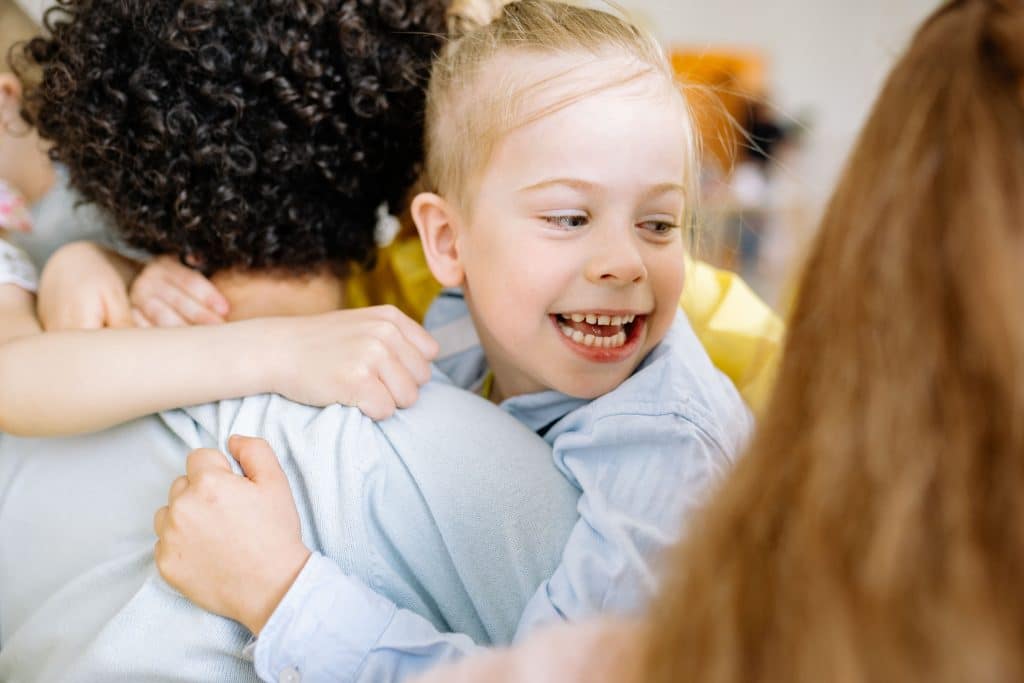
Some symptoms of anxiety in children are easy to spot. Others hide in plain sight as irritability or “acting out.”
Common signs include:
- Excessive worry about everyday things (school, friendship, family)
- Trouble concentrating or sitting still
- Irritability, tearfulness, or frequent meltdowns
- Avoiding situations, people, or places
- Trouble falling or staying asleep
- Seeking constant reassurance from parents
Physical Symptoms of Anxiety in Children
Anxiety lives in the body as much as the mind. Physical symptoms of anxiety in children can look like:
- Stomach aches or nausea, especially before school
- Headaches
- Muscle tension
- Rapid heartbeat or shortness of breath
- Fatigue, even after a full night’s sleep
These physical complaints are real, not “made up” or exaggerated by your child. Remember that a child’s body reacts to stress the same way an adult’s does.
Common Types of Childhood Anxiety
Not all childhood anxiety looks the same. A few of the most common types include:
- Separation anxiety, or fear of being away from a parent or primary caregiver
- Generalised anxiety (GAD), or persistent worry across many areas of life
- Social anxiety, or fear of judgment in social situations
- Specific phobias, like fear of the dark or particular animals
Understanding which type your child is experiencing is the first step toward finding the right kind of child counselling support.
What Causes Anxiety in Children?
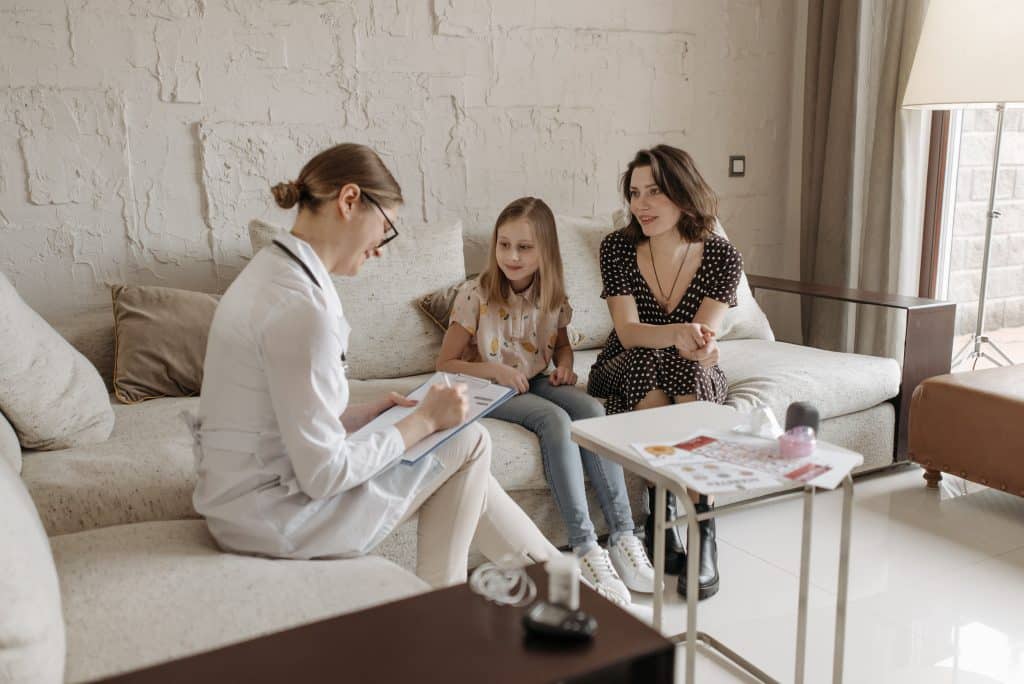
There’s rarely one cause. Anxiety in children grows from a mix of temperament, environment, and experience, stacked on top of each other.
Some kids are simply wired to feel things more intensely. A cautious, sensitive temperament isn’t a flaw. It just makes new situations feel bigger and scarier than they do for other children.
Family history matters too. When anxiety runs in the family, a child is more likely to develop it through genetics, learned behaviour, or both.
Big life changes are another trigger. A new school, a move, a divorce, a new sibling. Each one can shake a child’s sense of safety. Even a small change in routine can spark worry in a child who craves predictability.
Then there’s the world around them. Overhearing adult talk about stress, conflict, or scary news can leave kids feeling unsafe when nothing is actually wrong. Add the everyday pressures of school, friendships, and fitting in, and anxiety finds room to take root. None of it means you did something wrong as a parent.
Understanding Separation Anxiety in Children
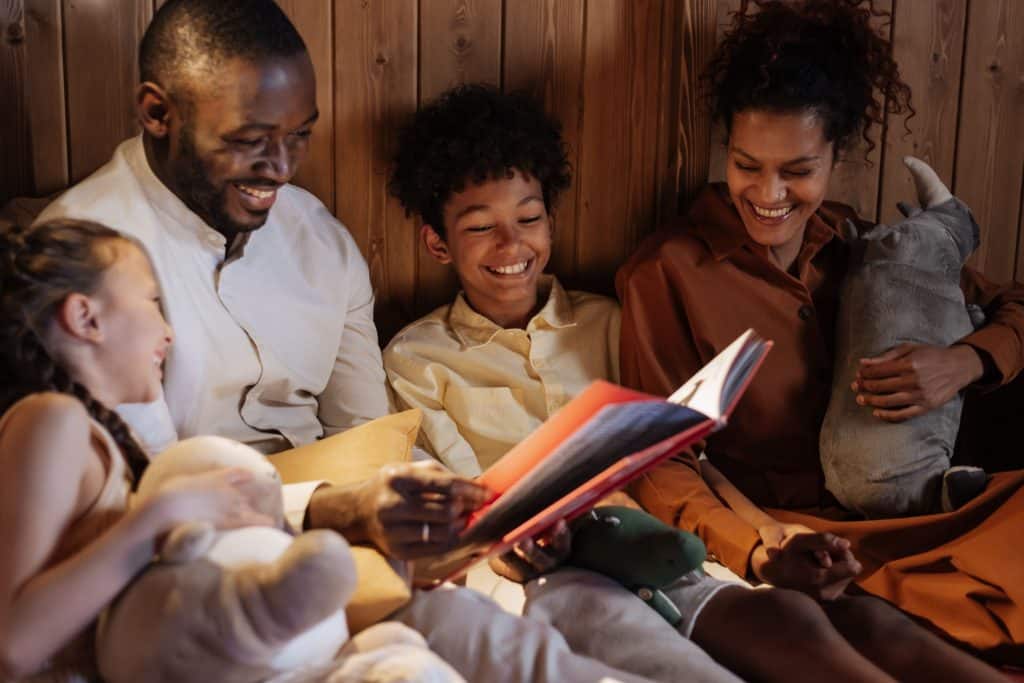
Separation anxiety in children is one of the most common and most misunderstood forms of childhood anxiety. In small doses, it’s not only normal, but it’s also a sign of healthy attachment.
Separation Anxiety in Toddlers and Young Children
Separation anxiety in toddlers shows up as crying, clinging, or protesting the moment a parent leaves the room, let alone the house. It’s your toddler’s way of saying you matter. Developmentally, that’s a good thing.
At this age, kids haven’t grasped that “goodbye” doesn’t mean “gone forever.” A quick trip to the next room can feel like a real loss.
When Does Separation Anxiety Start and End?

Typically, separation anxiety begins around 6 to 8 months, peaks between 12 and 18 months, and gradually eases as toddlers grow into preschoolers.
As for when it ends, for most kids, noticeable symptoms fade by age 3, once these kids have built a stronger sense that parents always come back.
That said, milder separation worries can resurface at transition points, like starting school, well into the early elementary years.
When It Becomes Separation Anxiety Disorder
Occasional clinginess is one thing. Separation anxiety disorder is another. The difference comes down to intensity, duration, and impact.
If your child’s distress is extreme, lasts more than four weeks, or gets in the way of school, sleep, or everyday life, it may point to separation anxiety disorder in children rather than a passing phase.
At that point, anxiety counselling can help your child build the tools to cope.
Separation Anxiety at Bedtime and School
Nighttime and school mornings tend to be when separation anxiety shows up loudest. Both moments ask kids to be brave without a parent right there beside them.
Separation Anxiety at Night
Separation anxiety at night often looks like stalling at bedtime, repeated trips out of the room, or a sudden need for a parent to stay until they’ve fallen asleep. Some kids even wake up during the night specifically to check that a parent is still nearby.
Don’t see that as defiance. In the dark and quiet, with fewer distractions, your child’s worries tend to feel louder. A predictable bedtime routine, plus a calm and consistent response, can go a long way toward easing nighttime fears over time.
School Refusal and Morning Drop-Offs
For other kids, mornings are the hardest part of the day. Separation anxiety and school refusal show up as tears at the door, stomach aches before the bell, or a flat refusal to get out of the car.
School refusal isn’t about disliking school. It’s about the fear of leaving a parent, even when a child loves their teacher and friends. A calm, matter-of-fact goodbye, backed by consistency from parent and school, beats long explanations or last-minute negotiations. The more predictable the drop-off feels, the safer it becomes.
When to Worry About Your Child’s Anxiety
Every parent wonders where the line is. When is it worth worrying about child anxiety, and when is it just a phase? Most childhood worry comes and goes. Kids are allowed hard days too.
What matters is the bigger picture. If anxiety is intense, isn’t easing with time and reassurance, or is starting to affect school, friendships, sleep, or daily routines, it may be more than a passing stage.
Trust your instincts. You know your child better than anyone. If something feels off, that feeling is worth paying attention to.
Reaching out isn’t an overreaction, and it doesn’t mean something is “wrong” with your child. It means you’re making sure they have the tools to feel safe and confident again.
How to Calm an Anxious Child at Home
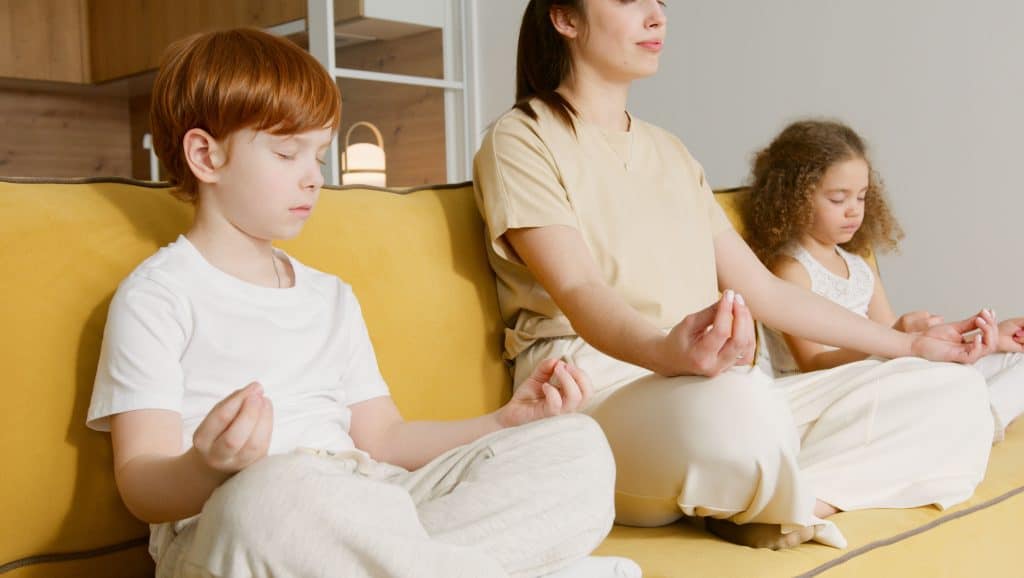
Small, consistent habits help more than big gestures. A few ways to calm an anxious child at home:
Calm Goodbyes and Consistent Routines
Keep goodbyes brief, warm, and predictable. Lingering or sneaking out both tend to backfire, while a short, confident goodbye reassures kids that you’ll be back.
Coping Skills and Facing Fears in Small Steps
Simple tools, like deep breathing, naming feelings, or a comfort object, give kids something to lean on. Facing fears gradually, in small, manageable steps, builds real confidence over time.
What to Avoid: Over-Reassurance and Accommodation
It’s tempting to over-reassure or avoid anything that triggers worry, but this can accidentally reinforce anxiety. Instead, validate the feeling while gently encouraging your child to move through it.
Child Anxiety Treatment Options
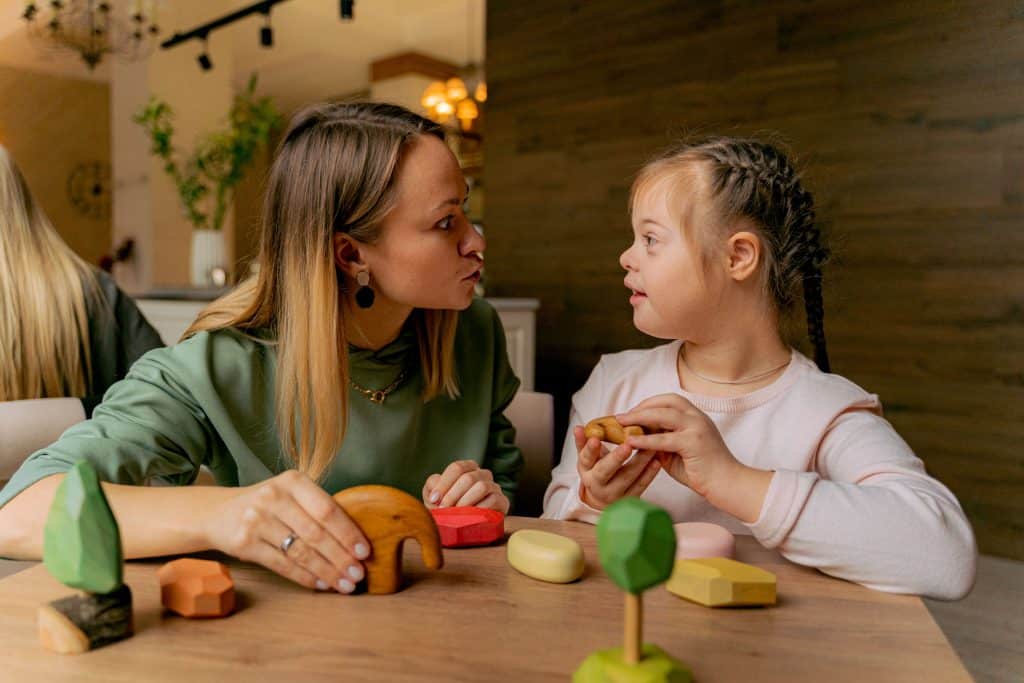
When your child’s anxiety starts affecting daily life, professional support can make a real difference. There are several approaches to child anxiety treatment, and the right one often depends on your child’s age and needs.
Cognitive Behavioural Therapy for Children
CBT for children with anxiety is one of the most well-researched and effective approaches available. It helps kids identify anxious thoughts, understand how those thoughts affect their feelings and behaviour, and build practical strategies to manage them.
Instead of avoiding what feels scary, CBT teaches children to face fears step by step. Over time, kids learn that anxious thoughts don’t have to control what they do. That skill lasts well beyond childhood.
Play Therapy and Child-Friendly Approaches
Younger children can’t always put feelings into words. That’s where play therapy for anxiety comes in. Through play, drawing, and storytelling, kids process worry and fear in a way that feels natural and safe.
This child-friendly approach lets therapists gently uncover what’s really going on underneath the behaviour, whether that’s separation fears, a specific event, or something harder to pinpoint. It also gives kids a sense of control in a space that’s entirely their own.
Parent Coaching and Family Support
Anxiety doesn’t just affect the child; it affects the whole family. Parent coaching and counselling help caregivers understand what’s driving their child’s anxiety and learn how to respond in ways that soothe rather than accidentally reinforce it.
Small shifts matter. How a goodbye is handled. How bedtime worries are met. When parents and therapists work as a team, progress comes faster.
Support for Anxious Children at Love This Therapy
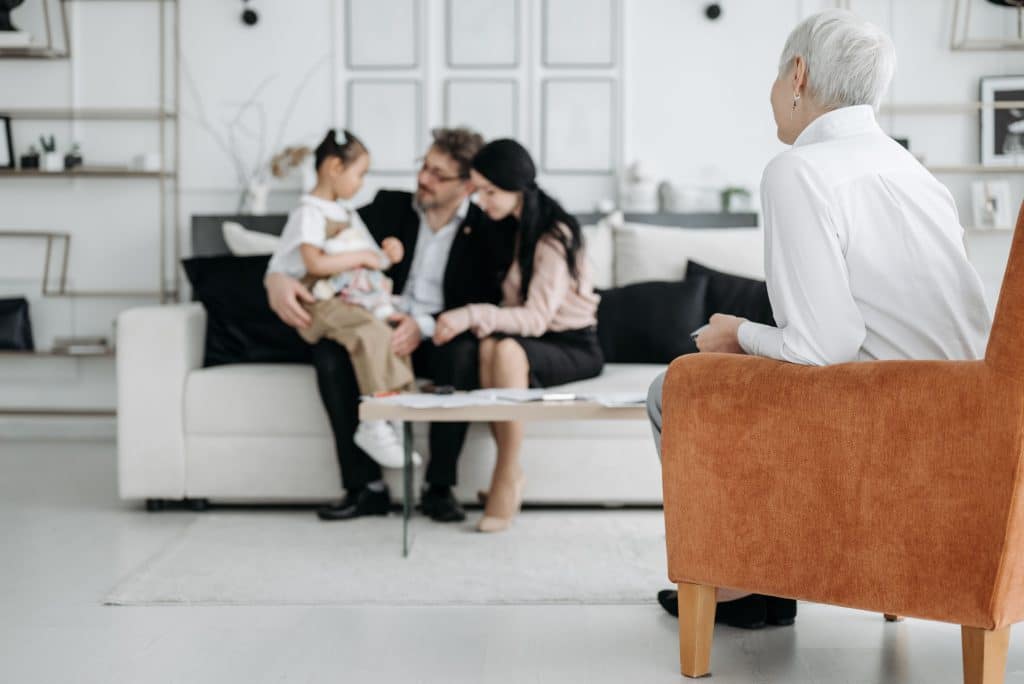
Child Anxiety Counselling in White Rock & South Surrey
If your child is struggling with anxiety or separation anxiety, you don’t have to figure it out alone.
At Love This Therapy, we offer child anxiety counselling for families in White Rock and South Surrey, helping kids build confidence and helping parents feel supported every step of the way.
How We Work With Children and Parents Together
Lasting change happens when children and parents work together, not separately. Our therapists combine CBT, play therapy, and parent coaching to meet anxiety at a pace that’s right for your child.
If you’re searching for kids counselling near you, book a free intake call and let’s talk about how we can help your family move from its current struggle to a stronger future.
Frequently Asked Questions
At what age is separation anxiety a concern?
Separation anxiety peaks between 12 and 18 months. It’s usually a concern if intense symptoms persist past preschool age or interfere with daily life.
How do I know if my child needs therapy for anxiety?
If anxiety disrupts sleep, school, or friendships and doesn’t improve with reassurance and time, it’s worth speaking with one of our child therapists for guidance.
Can children grow out of anxiety?
Many children do outgrow mild anxiety as they mature. However, persistent or intense anxiety often benefits from professional support rather than waiting it out.
What can I do to help my child’s anxiety at home?
Keep routines predictable, offer calm reassurance without over-accommodating, and teach simple coping tools like deep breathing to build their confidence gradually.